Straight Outta Split Name Monogram Review
As an embroidery designer preparing for a busy weekend craft fair, my selection process is ruthless. I cannot afford to hoop designs that look muddy on textured fabrics or fail to catch the eye of a passerby from three feet away. When evaluating the Straigth Outta by Spilit Name Monogram for my upcoming market table, I am looking for more than just a cute digital file; I need a reliable craft fair product that translates well from screen to fabric. This design falls under the Inspirational category, but in a commercial setting, inspiration must also be functional and visually striking. Here is my professional assessment of how this machine embroidery design performs when turned into tangible inventory for handmade markets and Etsy shops.
First Impressions and Booth Appeal
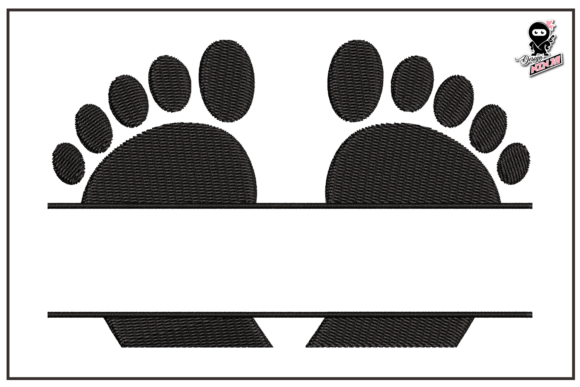
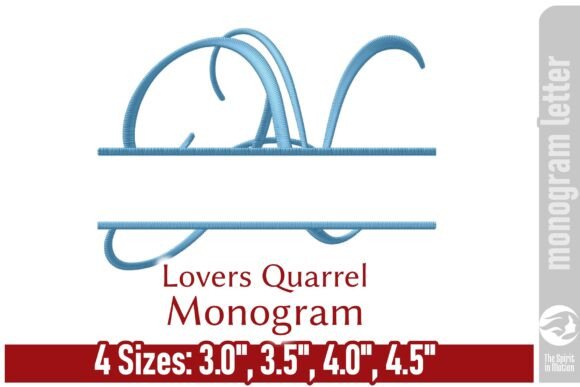
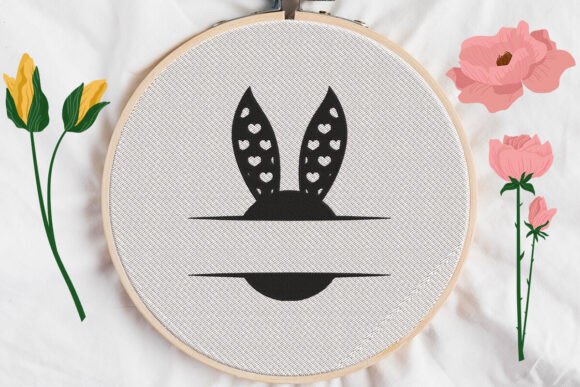
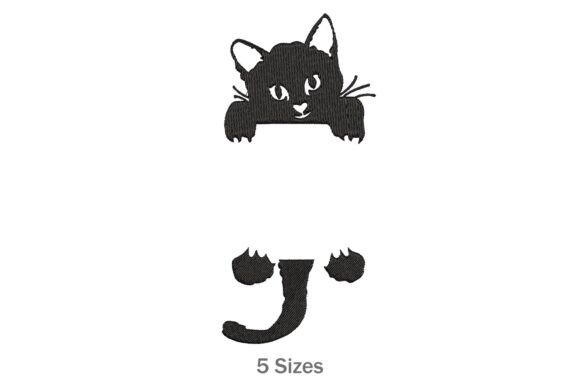
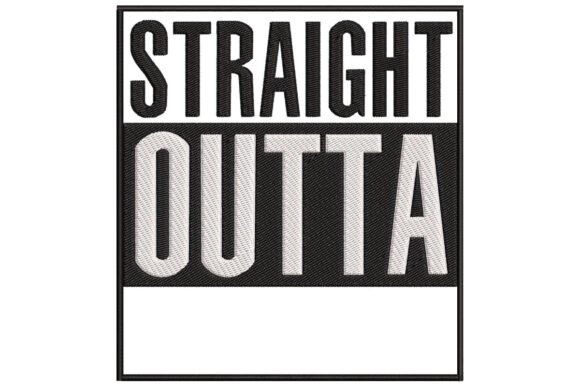
The immediate vibe of the Straigth Outta by Spilit Name Monogram is bold, modern, and unapologetically personal. Unlike traditional floral monograms that whisper elegance, this split name format shouts personality. For a booth display, this is a massive advantage. In the "Inspirational" niche, customers are often drawn to items that affirm identity or showcase family pride. The split layout creates natural negative space, which prevents the design from looking like a dense block of thread. This visual breathing room makes it feel contemporary rather than dated.
From a distance, the linear structure of the split name reads clearly. This is crucial for small shop product success. If a customer has to squint to understand what the text says, they will keep walking. This design’s typography appears structured enough to maintain legibility even when scaled down for smaller items, yet expansive enough to serve as a focal point on larger goods. It strikes a balance between trendy and timeless, making it a safe bet for batch production where you need to minimize risk while maximizing variety.
Best Performing Products for Market Sales
Not every embroidery file works on every substrate. Based on the geometry of the Straigth Outta by Spilit Name Monogram, here is where I see the highest return on investment for craft fair sellers and boutique makers:
- Tote Bag Design: Canvas totes are the ultimate billboard for this style. The flat weave of cotton canvas allows the split letters to lay crisp and clean. Because the design is likely horizontal or stacked, it fits perfectly in the center chest area of a standard 15x16 tote without distorting near the seams.
- Tea Towel Embroidery: Flour sack towels are a staple for Etsy seller inventories. The vertical nature often associated with split names complements the rectangular shape of a towel. This application feels premium and giftable, especially for housewarmings or new homeowners.
- Apron Embroidery: For kitchen vendors, this design adds a custom touch that elevates a basic apron to a personalized keepsake. The placement should be centered on the bib or upper chest to ensure visibility when worn.
- Pillow Covers: Home decor requires charm, as noted in the product description. This monogram transforms a generic linen pillow into a statement piece. The split format centers beautifully on square pillows, anchoring the room's aesthetic.
- Embroidered Patch: If you have a heat press or adhesive backing supplies, this design can be repurposed as a patch. However, verify the border integrity first. A split name patch sells exceptionally well at markets as an add-on impulse buy.
Production Practicalities and Stitch Integrity
Before I commit to stitching fifty units for a market, I run a rigorous production audit. The Straigth Outta by Spilit Name Monogram presents specific considerations for commercial embroidery workflows. The primary concern with any text-based split design is registration. If your machine tension is off, or if your hooping is loose, the gap between the top and bottom halves of the name will look uneven. Precision is non-negotiable here.
I also evaluate stitch density. Text-heavy designs can become bulletproof if the digitizer used excessive underlay or satin stitch width. On lightweight fabrics like tea towels, high density causes puckering that no amount of steaming can fix. Conversely, on thick terry cloth, low density leads to sinking stitches where the fabric texture swallows the lettering. You must check the specific attributes of this digital embroidery file before mass production. Does it include adequate pull compensation? Is the underlay appropriate for the target fabric?
For batch production, repeatability is key. This design’s reliance on straight lines and clear spacing makes it easier to align across multiple items compared to organic, swirling scripts. This efficiency reduces setup time and waste, directly impacting your profit margins at the craft fair.
Critical Use Notes and Fabric Limitations
While versatile, the Straigth Outta by Spilit Name Monogram is not immune to physical limitations. As experienced embroiderers know, context dictates clarity.
- Textured Towels: Avoid high-pile terry cloth unless the design includes a knockdown stitch layer. Without it, the loops of the towel will push through the split name, ruining the readability.
- Curved Cap Surfaces: Be cautious using this on structured caps. The horizontal span of a split name can distort on the curved brim area. Unstructured dad hats or flat visors are safer choices for maintaining geometric accuracy.
- Small Lettering: If resizing this design down for baby onesies or pocket accents, verify the minimum height of the smallest characters. Serif fonts or thin lines may disappear below 0.2 inches. Always test the lower size limit.
- Dark Fabrics: High contrast is mandatory. White thread on navy is classic, but heather grey on charcoal will vanish. Ensure your thread colors pop against the base material to maintain that inspirational impact.
- Stabilizer Selection: Do not skimp here. For knits, use cut-away stabilizer to prevent stretching. For wovens, tear-away may suffice, but always prioritize stability over ease of removal to protect the design's registration.
Designer Checklist Before Selling Finished Products
To ensure the Straigth Outta by Spilit Name Monogram becomes a bestseller rather than a bargain bin item, follow this pre-production protocol:
- Verify Licensing: Confirm the design assets include commercial rights for selling finished goods. Never assume; always read the license terms included with the download.
- Check Hoop Size: Ensure the design fits your most commonly used hoops with adequate clearance. Running too close to the hoop edge increases the risk of needle strikes and misalignment.
- Create Real Mockups: Digital renderings lie. Stitch out at least one sample on your intended selling fabric. Photograph this finished product in natural light for your printable mockup and online listings. Customers trust real photos over software simulations.
- Test Thread Contrast: View your sample from five feet away. If the split name blends into the fabric at that distance, change your thread color. Visibility equals sales.
- Inspect Stitch Density: Feel the back of the sample. If it is stiff or heavy, the density is too high for that fabric. Adjust settings or choose a different substrate to ensure a quality handmade product feel.
- Review Spacing: Measure the gap between the split elements. Consistency signals professionalism. If the gap varies, re-hoop tighter or adjust your machine's mechanical calibration.
Final Verdict for Creative Entrepreneurs
The Straigth Outta by Spilit Name Monogram holds significant potential for craft fair vendors and online sellers who value bold, readable aesthetics. Its strength lies in its ability to personalize standard blanks into meaningful gifts without requiring complex color changes or excessive run times. By respecting the technical requirements of fabric texture, stabilization, and sizing, this design can anchor a profitable product line. Whether you are stocking an Etsy shop or setting up a weekend booth, treat this design as a premium asset. Test thoroughly, produce consistently, and let the clean lines of this split monogram do the selling for you. Remember, in the world of Embroidery, the difference between a hobbyist and a professional is often found in the preparation, not just the stitching.