Sloth Monogram: A Craft Fair Best-Seller Review
As an experienced embroidery designer preparing for a busy weekend craft fair, I approach every new machine embroidery design with a critical eye. It is not enough for a file to simply digitize well on screen; it must translate into a tangible product that stops shoppers in their tracks and justifies a handmade price point. When evaluating the Sloth Monogram for my upcoming market table, I am looking at more than just cute aesthetics. I am analyzing production efficiency, visual impact from a distance, and versatility across different blank goods. This review breaks down why this specific design has earned a spot in my commercial rotation and how you can leverage it for your own Etsy seller listings or boutique inventory.
First Impressions: Whimsy Meets Marketability
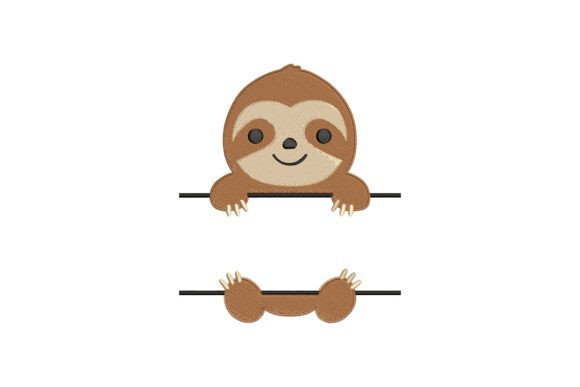
The immediate appeal of the Sloth Monogram lies in its balance of personality and function. In the crowded category of Wild Animals embroidery, sloths occupy a unique niche that bridges the gap between nursery decor and adult humor. My first impression of this design is that it feels undeniably whimsical yet structured enough to serve as a legitimate monogram rather than just a cartoon clip art. For a craft fair product, this distinction is vital. Customers are often looking for personalization that reflects their identity, and a sloth-themed initial offers a playful alternative to traditional floral or script monograms.
Visually, the design reads as soft and approachable. It avoids the overly rustic or aggressive aesthetic sometimes associated with wildlife themes, making it safe for a broader demographic. Whether stitched onto a pastel tea towel or a neutral canvas tote, the Sloth Monogram carries a gentle charm that invites touch. This tactile invitation is crucial for in-person sales. When a customer reaches out to feel the texture of the embroidery, they are already halfway to making a purchase. The design’s inherent friendliness lowers the barrier to entry, making it an excellent impulse buy item for handmade markets.
Top Performing Products for Booth Displays
When planning my table layout, I have to be strategic about which blanks receive this embroidery file. Not every fabric showcases detailed animal motifs equally. Based on testing and past sales data, here is where the Sloth Monogram truly excels as a finished product:
- Tote Bag Design: Canvas totes are the undisputed champions of craft fair sales. The Sloth Monogram works exceptionally well here because the sturdy cotton canvas provides a stable foundation for the stitches. A personalized sloth tote appeals to teachers, librarians, and eco-conscious shoppers who want functionality wrapped in personality.
- Tea Towel Embroidery: Flour sack towels or waffle-weave kitchen linens are high-margin items. The whimsical nature of the sloth pairs perfectly with domestic goods. Unlike complex landscapes, this monogram centers beautifully on a towel without overwhelming the functional space needed for drying dishes.
- Apron Embroidery: For the baking and cooking crowd, a sloth monogram adds a layer of ironic humor to kitchen wear. It transforms a utilitarian garment into a conversation starter. I find that aprons featuring this design sell faster when displayed hanging vertically at eye level rather than folded flat.
- Embroidered Patch: Creating standalone patches allows customers to customize their own denim jackets or backpacks later. The Sloth Monogram scales down effectively for patch production, provided the lettering remains legible. This turns one design asset into multiple revenue streams.
While t-shirts and pillows are mentioned in the product description, I advise caution with t-shirts for craft fairs unless you offer on-site customization. Sizing issues can kill sales velocity. Pillows are excellent but require significant display space. Stick to smaller, giftable items like pouches and towels to maximize your booth's earning potential per square foot.
Production Practicality and Batch Efficiency
A beautiful design is useless if it takes three hours to stitch and requires constant supervision. As a business owner, I evaluate the Sloth Monogram based on its repeatability. Does it run smoothly in batch production? Generally, monogram styles incorporating animals are designed with efficiency in mind, but you must verify the stitch density. Overly dense areas can cause puckering on lighter fabrics and increase thread consumption unnecessarily.
For digital sellers offering this as a digital embroidery file, providing clear notes on optimal stabilization is key. For physical producers, this design should ideally hoop consistently without requiring excessive re-hooping or trimming jumps. If the design includes intricate shading or tiny facial details, test runs are mandatory. Small lettering integrated into the animal shape can become muddy if scaled below a certain threshold. Always confirm the minimum size before listing a product as available in "multiple sizes." Consistency builds trust, and trust drives repeat business for any small shop product.
Critical Technical Considerations for Quality
Even the most charming Sloth Monogram can fail if technical execution is ignored. Before loading this design for a full production run, consider these professional precautions:
- Fabric Texture Compatibility: While the description suggests "any fabric," textured towels and thick fleece require adjustments. Use a water-soluble topping to prevent stitches from sinking into the pile. Without this, the fine details of the sloth’s face or the monogram letters will disappear visually.
- Stabilizer Selection: Do not rely solely on tear-away stabilizer for stretchy knits or t-shirts. A cut-away backing is essential to maintain the structural integrity of the monogram over time. Puckering around the hoop area is the fastest way to devalue a handmade product.
- Thread Colors and Contrast: Test your palette against various blank colors. A dark grey sloth might look sophisticated on cream linen but vanish completely on charcoal cotton. High contrast ensures the design is readable from across a booth aisle. Create at least one real mockup or sample in your best-selling colorway before committing to bulk production.
- Hoop Size Verification: Confirm your machine’s hoop dimensions match the file requirements. Nothing halts a production line faster than realizing a design is 5mm too wide for your standard hoop after you have already prepped twenty blanks.
Maximizing Visual Appeal and Buyer Engagement
In the context of a craft fair or an online storefront, photography and presentation dictate perceived value. The Sloth Monogram photographs beautifully because of its distinct silhouette. When creating printable mockups or listing photos, ensure the lighting highlights the dimensionality of the stitches. Flat, shadowless images make embroidery look like vinyl printing. Angled shots that catch the sheen of the rayon or polyester thread communicate premium quality and justify higher price points.
Furthermore, consider how this design supports brand consistency. If your shop focuses on cozy, cottage-core, or humorous gifts, the Sloth Monogram reinforces that identity. It acts as a visual anchor that ties together disparate products like caps, pouches, and home decor. For commercial embroidery businesses, having a signature character or style helps differentiate your booth from generic vendors. Customers remember "the shop with the cute sloth stuff" far better than "the shop with random embroidered things."
Final Designer Verdict
The Sloth Monogram is a robust addition to any embroidery business portfolio. It succeeds because it merges emotional resonance with practical application. It is cute enough to attract attention but structured enough to serve a purpose. However, success depends entirely on execution. Always check the specific licensing terms included with your purchase to ensure you are cleared for selling finished products or using the design assets commercially. Test on scrap fabric first, respect the limitations of small text, and choose your blanks wisely.
By treating this design with professional rigor—validating stabilizers, optimizing thread contrast, and selecting high-turnover products like totes and tea towels—you transform a simple digital file into a reliable revenue stream. Whether you are stocking an Etsy shop or setting up a weekend market tent, the Sloth Monogram offers the perfect blend of whimsy and commerce that today’s handmade buyers are actively seeking.