Baby Feet Split Monogram: Sweatshirt Design Review
As an embroidery designer developing a new capsule collection for a boutique brand, I constantly evaluate digital assets not just for their aesthetic appeal, but for their production viability. When preparing for a limited sweatshirt drop, the margin between a cute concept and a sellable product lies in the technical execution of the machine embroidery design. Recently, I tested the Baby Feet Split Monogram to determine if it meets the rigorous standards required for premium custom apparel. This review breaks down my experience testing this specific embroidery file on various fleece weights and how it translates from screen to stitched reality.
First Impressions and Aesthetic Versatility
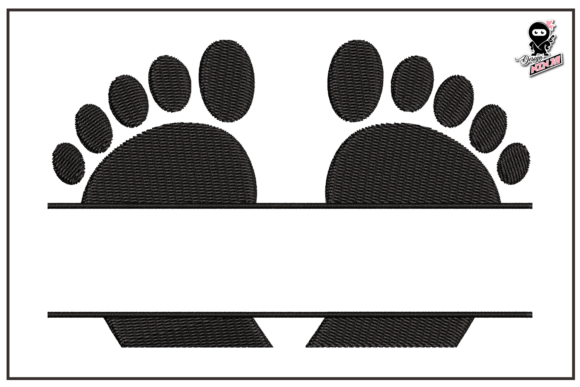
The initial appeal of the Baby Feet Split Monogram is its balanced composition. In the boys' category, finding designs that are sweet without being overly juvenile can be challenging. This design strikes a sophisticated middle ground. The split monogram format allows the initials to integrate seamlessly with the baby feet motif rather than competing with it. Upon loading the digital embroidery file into my software, the layout appeared clean and intentional, suggesting it was digitized with garment placement in mind rather than as an afterthought.
For our upcoming collection, we needed a versatile hoodie design that could transition across different colorways. On neutral oatmeal and heather grey sweatshirts, the design reads as modern and minimalist. When tested on darker navy fabrics, the contrast created a bold, classic look suitable for traditional nursery themes. Surprisingly, it also performed well on pastel sage and dusty blue, offering a softer, more playful vibe. This adaptability is crucial for Etsy sellers and small shop owners who need one strong design asset to anchor multiple product listings without purchasing separate files for every color variation.
Evaluating Stitch Density on Fleece Fabrics
Sweatshirt embroidery presents unique challenges due to the lofty pile of French terry and fleece. A common failure point in commercial embroidery is insufficient underlay or poor density management, leading to stitches sinking into the fabric texture. During my test run of the Baby Feet Split Monogram, I paid close attention to how the design interacted with heavy-weight cotton fleece.
The stitch density felt appropriate for apparel. It was dense enough to provide solid coverage and opacity against the textured background but not so heavy that it caused puckering or created a bulletproof patch effect. This balance is vital for maintaining the drape and comfort of oversized hoodies. For handmade product creators, this means less time troubleshooting tension issues and more time focusing on fulfillment. However, as with any machine embroidery design, I always recommend running a test stitch-out on your specific fabric blend before committing to bulk production, as fleece thickness varies significantly between suppliers.
Placement Strategy for Boutique Merchandise
Versatility in placement directly impacts the perceived value of custom apparel. The Baby Feet Split Monogram proved flexible during our mockup phase. As a left-chest placement on a crewneck sweatshirt, it serves as a subtle branding element perfect for "mom" merchandise or birth announcement gifts. The scale allows it to remain legible without overwhelming the garment's silhouette.
We also tested it as a centered back yoke design on oversized hoodies. Here, the split nature of the monogram shines, as the horizontal orientation complements the shoulder seam line. For sleeve accents or cuff placements, the design may require resizing. Always verify the minimum recommended size within your embroidery file to ensure the text remains readable and the baby feet details do not merge. Proper hoop size selection is equally important; using the smallest appropriate hoop reduces fabric distortion and ensures crisp registration marks, which is essential for professional-grade results.
Stabilizer Selection and Production Consistency
Even the best digitized design will fail without proper stabilization. For this project, I used a medium-weight cut-away stabilizer permanently adhered to the fleece with temporary spray adhesive. The Baby Feet Split Monogram held its shape beautifully with this setup. The cut-away provides lasting support, preventing the stretchy knit fabric from distorting the monogram over time. This durability is a key selling point for parents buying baby shower gifts; they need assurance that the personalized touch will survive repeated washing.
For lighter jersey knits or bamboo blends often found in sustainable boutique brands, you might consider adding a water-soluble topping to prevent the stitches from getting lost in the pile. While the description notes this design is quick to stitch, never sacrifice stabilization speed for production speed. Consistent stabilizer application builds buyer trust by ensuring every finished product looks identical, whether it is the first sample or the fiftieth order.
Commercial Viability and Brand Identity
From a business perspective, the Baby Feet Split Monogram offers high ROI for creative entrepreneurs. Its quick stitch time maximizes machine uptime, allowing for higher volume during peak seasons like holidays or spring baby showers. More importantly, the design possesses a timeless quality that avoids trendy pitfalls. This longevity makes it a reliable staple for digital sellers and apparel decorators looking to build a cohesive brand identity rather than chasing fleeting fads.
The customization aspect cannot be overstated. Personalized items command higher price points and lower return rates. Because this design easily accommodates initials, it transforms a generic sweatshirt into a sentimental keepsake. For Etsy sellers, this opens up opportunities for bundle listings, such as matching sibling sets or parent-child combos. The visual recognition of a consistent, high-quality monogram style helps establish your shop’s signature look, encouraging repeat customers who associate your brand with premium craftsmanship.
Photography and Mockup Presentation
A beautiful stitch-out must translate effectively to digital screens. During our lifestyle photography session, the Baby Feet Split Monogram photographed exceptionally well. The distinct separation between the feet and the lettering creates natural negative space, making the design pop in flat lays and on-model shots. When creating printable mockups for pre-orders, ensure the digital representation matches the actual thread colors and texture. Misleading mockups erode customer confidence, while accurate previews reduce inquiries and set correct expectations.
I also appreciate that the design feels substantial enough for commercial use without appearing industrial. It retains the warmth expected of a handmade product while delivering the precision of professional digitizing. This duality is exactly what modern consumers seek when shopping small businesses. They want the charm of artisanal work backed by the reliability of commercial standards.
Final Designer Recommendations
Before adding the Baby Feet Split Monogram to your permanent catalog, take these practical steps:
- Verify Specifications: Always check the included documentation for exact stitch count, hoop size requirements, and license terms. Ensure your commercial license covers the intended volume of sales.
- Thread Color Testing: Test variegated versus solid threads. Solid colors generally offer better readability for split monograms on textured fleece, while variegated threads can add a whimsical touch for smoother fabrics.
- Wash Testing: Launder your test garment at least three times. Check for thread shrinkage, stabilizer residue, or fabric tunneling around the design perimeter.
- Size Grading: Create approved size variations for different garments. A 3-inch width may be perfect for a toddler hoodie chest but too small for an adult unisex sweatshirt. Document these sizes in your production notes to maintain consistency.
In conclusion, the Baby Feet Split Monogram is a robust, commercially viable asset for anyone in the custom apparel space. It successfully bridges the gap between sentimental charm and production efficiency. Whether you are launching a dedicated maternity line or expanding your existing boys' collection, this design provides a solid foundation for profitable, high-quality embroidery products. By respecting the technical nuances of sweatshirt embroidery and leveraging the design's inherent versatility, you can create pieces that resonate deeply with customers and stand the test of time.