Bunny Head Monogram: A Craft Fair Seller’s Review
As an experienced embroidery designer preparing for the upcoming spring market season, I approach every new machine embroidery design with a critical eye. It is not enough for a file to simply digitize well on screen; it must perform under the needle and, more importantly, convert browsing shoppers into paying customers at a weekend craft fair. When evaluating the Bunny Head Monogram for my upcoming booth lineup, I am looking for versatility, production efficiency, and that specific visual hook that stops traffic. This review breaks down how this design functions as a commercial asset for Etsy sellers, boutique makers, and creative entrepreneurs who need reliable inventory that sells.
First Impressions: Whimsy Meets Marketability
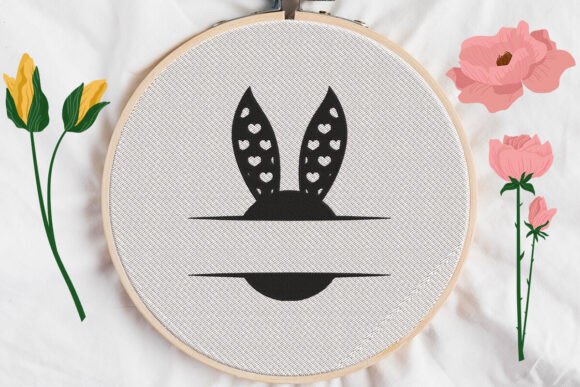
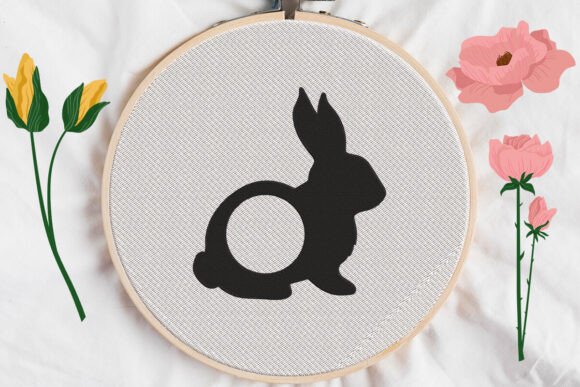
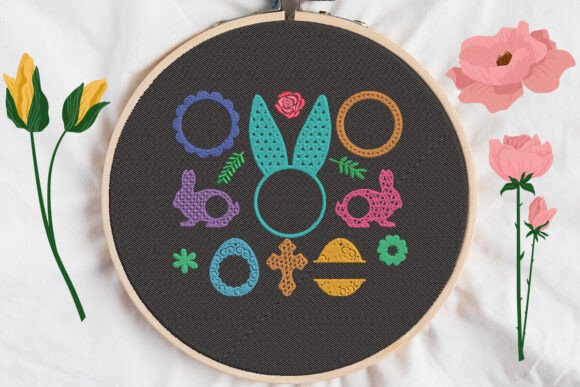
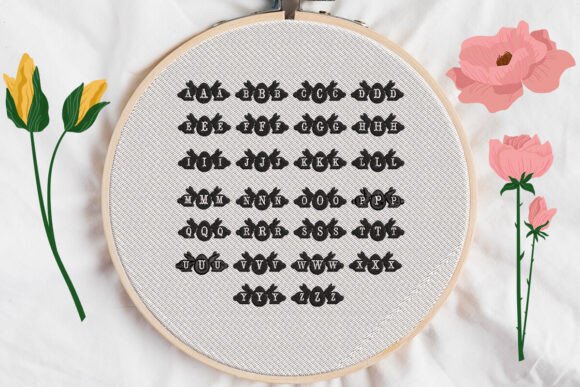
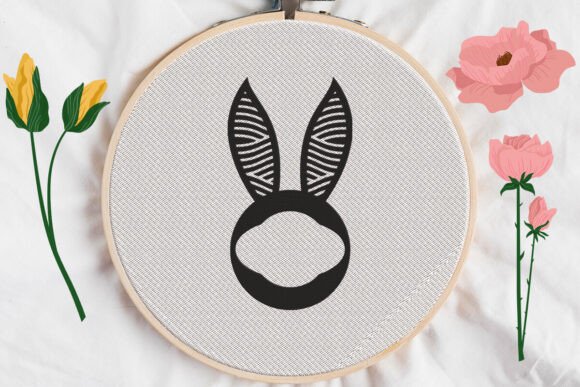
The immediate impression of the Bunny Head Monogram is one of playful elegance. It strikes a difficult balance between festive Easter imagery and year-round nursery or cottage-core aesthetics. For a handmade product vendor, this duality is gold. While clearly categorized for Easter, the stylized nature of the bunny head allows it to transcend the holiday. It feels soft yet structured, avoiding the overly cartoonish look that can alienate adult buyers, while remaining cute enough for children’s apparel.
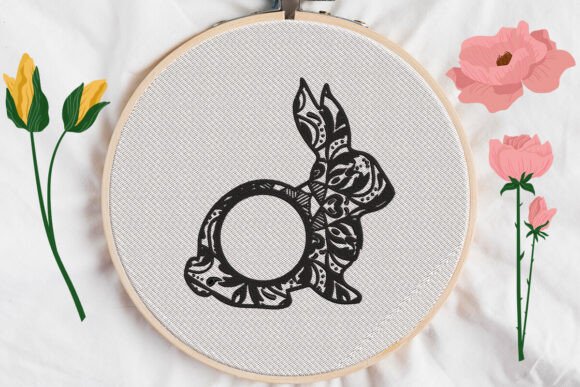
From a design perspective, the silhouette appears optimized for visibility from a distance. In a crowded market hall, intricate details often get lost. This design relies on bold shapes and clear negative space, making it readable from three feet away. For digital sellers offering a digital embroidery file, this clarity translates beautifully to thumbnail images and printable mockups. The design assets suggest a style that pairs effortlessly with gingham, linen, and pastel cottons, signaling to buyers that this is a premium addition to their spring collection rather than a generic clip-art stitch out.
Top Performing Products for Booth Displays
When curating a table display, I categorize items by price point and production time. The Bunny Head Monogram excels across multiple tiers of craft fair product development. Here is where I see the highest return on investment:
- Tea Towel Embroidery: This is the anchor item. Flour sack towels provide a smooth, stable canvas that showcases the monogram integration perfectly. Because towels are flat and quick to hoop, they allow for high-volume batch production. A stack of these featuring different thread colors creates a visually striking color block display that draws the eye.
- Tote Bag Design: Canvas totes are perennial bestsellers. Placing the Bunny Head Monogram slightly off-center or near the top rim adds a custom, boutique feel. Unlike center-chest placement which can sometimes look like a uniform, this positioning feels intentional and fashionable. Ensure you use a heavy-duty stabilizer to prevent puckering on the thick canvas.
- Apron Embroidery: For the farmhouse demographic, an apron featuring this design suggests domestic charm. The bib area offers ample space, but the design also scales down effectively for waist-tie accents. This application highlights the "imaginative flair" mentioned in the product description, turning a utilitarian object into a giftable keepsake.
- Embroidered Patches: If you have limited booth space, patches are high-margin add-ons. Stitching this design onto felt or twill backing creates a versatile product that appeals to both parents and crafters. It transforms the embroidery file into a tangible, low-cost entry point for customers who may not be ready to buy a finished garment.
Production Reality: Stitch Density and Fabric Texture
A beautiful digitization means nothing if it ruins the substrate. As designers, we must be honest about technical limitations. When testing the Bunny Head Monogram, pay close attention to stitch density. Rabbit fur textures in embroidery can sometimes become bulletproof vests if not managed correctly. If the fill stitches are too dense, the fabric will pucker, and the final finished product will feel stiff and unprofessional.
Fabric texture plays a massive role in the success of this specific design. On smooth quilting cotton or poplin, the edges should remain crisp. However, if you plan to offer this on textured terry cloth towels or waffle-weave fabrics, you must adjust your expectations. The tiny details of the bunny’s ear or facial features may sink into the pile. In these cases, using a water-soluble topping is non-negotiable to keep the stitches floating above the nap. For dark fabrics, verify that the design includes adequate underlay to prevent the fabric color from bleeding through light pastel threads. Always confirm the recommended hoop size before committing to a production run; resizing a complex monogram frame can distort alignment points, leading to registration errors that waste materials.
Visual Merchandising and Online Appeal
For the Etsy seller or online boutique owner, photography is as important as the stitching itself. The Bunny Head Monogram photographs exceptionally well because of its distinct outline. When creating listings, avoid shooting solely on white backgrounds. Instead, stage the embroidered item in natural light with complementary props like dried lavender or ceramic eggs to reinforce the lifestyle aesthetic.
Brand consistency is key for repeat business. If your shop focuses on modern minimalism, use tone-on-tone thread colors (e.g., cream thread on oatmeal linen). If your brand is vibrant and eclectic, utilize high-contrast variegated threads. This single design file can serve two completely different customer bases depending entirely on your styling choices. Furthermore, because the design integrates a monogram, it naturally invites personalization. Offering custom initials within the bunny head increases perceived value and justifies a higher price point for commercial embroidery services.
Designer Notes for Safe Commercial Use
Before listing any item derived from this design for sale, professional due diligence is required. Never assume a file is production-ready straight from the download. Follow this checklist to protect your business reputation:
- Test Stitch on Scrap: Always run a test on the exact fabric you intend to sell. A design that looks perfect on screen may have gaps or pulls on actual material. Check the back of the test stitch-out; messy bobbin work indicates tension issues or poor digitizing paths.
- Verify Licensing: The product description mentions embellishing items, but you must confirm the specific commercial license terms included with the design assets. Some licenses restrict the number of physical items sold or prohibit selling the digital file itself. Clarity here prevents legal headaches later.
- Check Small Size Legibility: If you plan to scale the Bunny Head Monogram down for baby onesies or pocket accents, inspect the smallest text elements. Lettering below 4mm often becomes illegible. If the design loses clarity at smaller sizes, do not force it; reserve it for larger applications.
- Stabilizer Matching: Do not use a one-size-fits-all approach. Cutaway stabilizer is generally safer for stretchy knits and tote bags to maintain shape over time, while tear-away may suffice for stable woven tea towels. Incorrect stabilizer choice is the most common cause of customer returns due to distortion after washing.
- Create Real Mockups: Before investing hours in stitching inventory, create a realistic digital mockup to gauge interest. Post it on social media or your shop as a "coming soon" preview. If engagement is low, you have saved yourself production costs. If inquiries flood in, you have validated the small shop product before cutting a single thread.
The Bunny Head Monogram represents a strong opportunity for makers looking to refresh their spring inventory. Its blend of seasonal relevance and timeless charm makes it a reliable performer for everything from quick-sale market items to high-end personalized gifts. By respecting the technical requirements of machine embroidery and leveraging smart merchandising strategies, this design can become a cornerstone of your seasonal sales strategy. Remember, successful selling is equal parts artistry and engineering; treat this design with the technical respect it deserves, and it will reward you with consistent sales throughout the season.