Easter Monogram Frames: A Designer’s Review
As an embroidery designer constantly sourcing reliable assets for commercial projects, I approach every new machine embroidery design with a critical eye. When browsing Creative Fabrica embroidery collections for seasonal inventory, the "Easter Monogram Frames" collection caught my attention. The promise of bringing elegance and playfulness to fabrics suggests a versatile asset for spring merchandise. However, as someone who stitches these designs onto actual products for paying customers, I need to know if the digitizing holds up beyond the screen. After evaluating this collection for real-world application on items like tote bags, sweatshirts, and nursery decor, here is my honest assessment of its performance and value for handmade business owners.
First Impressions and Visual Character
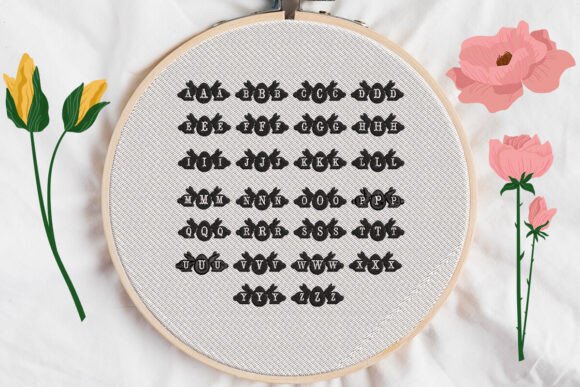
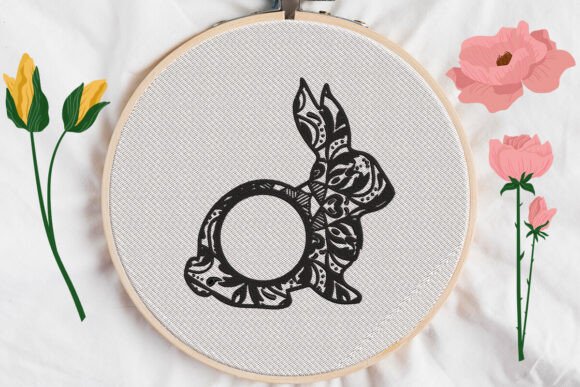
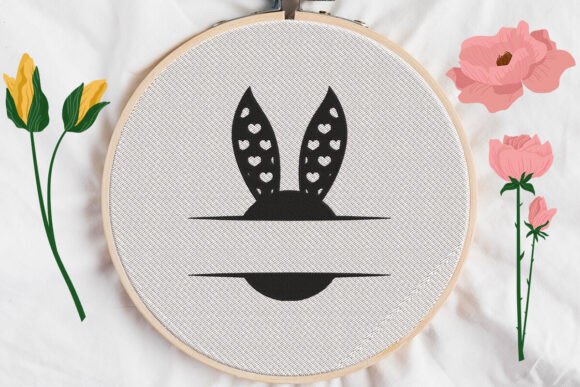
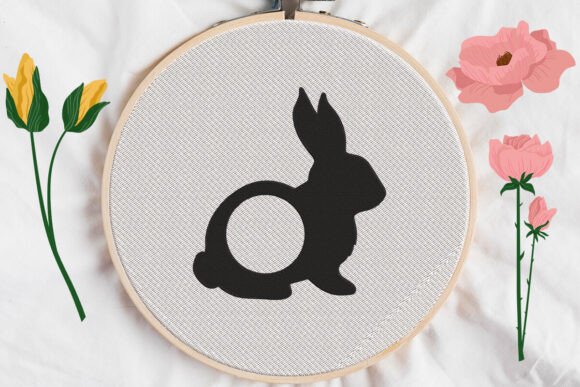
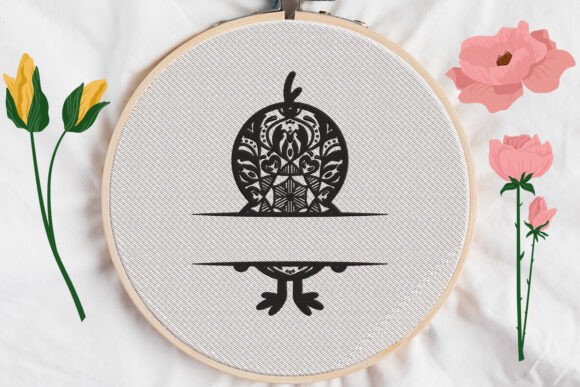
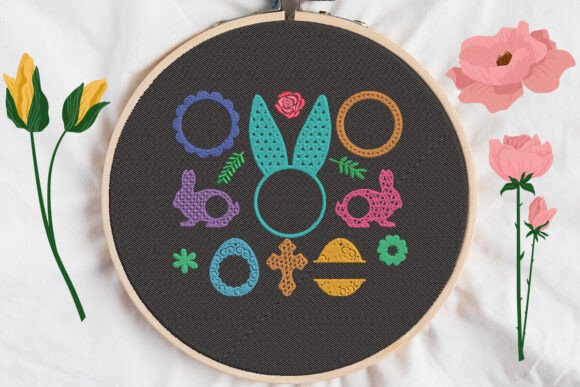
The immediate appeal of these Easter Monogram Frames lies in their balance between traditional elegance and seasonal whimsy. For an Etsy seller or boutique owner, this duality is crucial. We often struggle to find Easter assets that are festive without being juvenile. These frames offer a sophisticated structure that allows for personalization while maintaining a lively, quirky touch suitable for adult apparel and high-end home decor.
Visually, the designs appear to utilize a mix of stitch types to create depth. A well-digitized frame should not merely be an outline; it needs texture. In reviewing the preview files, I looked for evidence of varied stitch density. Frames that rely solely on dense satin stitches can cause puckering on lighter fabrics, while those using only running stitches may look cheap on textured materials. This collection seems to aim for a middle ground, making it a promising candidate for mixed-media projects where the embroidery must complement, rather than overwhelm, the base fabric.
Performance on Apparel and Accessories
For custom apparel decorators, the true test of any embroidery file is how it behaves on stretchy or unstable fabrics. I evaluated these frames specifically for sweatshirt embroidery and t-shirt applications. Spring apparel often involves French terry or lightweight cottons, which require careful stabilization. The construction of these monogram frames appears conducive to garment work, provided you use the correct stabilizer. If you are stitching on a dark navy sweatshirt for a spring collection, ensure the design includes adequate underlay to prevent the top thread colors from sinking into the fabric pile.
Beyond apparel, these frames show significant potential for accessories. A tote bag design featuring a centered monogram within one of these Easter frames creates an instant bestseller for spring markets. Totes are typically made of canvas or linen, offering a stable surface that showcases detailed digitizing. Similarly, for cap embroidery, the curved surface presents unique challenges. While these frames are likely designed for flat hooping, smaller variations could be adapted for patches. Creating an embroidered patch using these frames allows you to apply the design to caps or denim jackets without risking damage to the base material, expanding your product line safely.
Home Decor and Nursery Applications
Easter is a peak season for nursery updates and spring home refreshing. These Easter Monogram Frames are particularly well-suited for baby blankets, pillow covers, and kitchen towels. When stitching for baby items, safety and comfort are paramount. You must verify that the back of the embroidery is smooth and free from scratchy jump stitches or excessive bobbin thread buildup. A high-quality digital embroidery file will have optimized trim jumps to reduce post-production cleanup time.
For kitchen towels and aprons, durability matters. These items face frequent washing and high heat. I recommend testing the thread colors for colorfastness before committing to a large production run. The playful nature of these frames makes them excellent for personalized gifts, such as a monogrammed apron for a family Easter brunch hostess. The visual weight of the frame should match the weight of the towel; a heavy waffle-weave towel requires a denser fill stitch to remain visible, whereas a flour sack towel demands a lighter touch to prevent distortion.
Commercial Viability and Product Value
For creative entrepreneurs, time is money. The efficiency of a design directly impacts profitability. When considering these Easter Monogram Frames for commercial embroidery, evaluate the stitch count relative to the size. Overly dense designs increase machine run time and thread consumption, eating into margins. Conversely, designs that are too sparse may lack perceived value. These frames appear to hit a sweet spot that justifies a premium price point for finished goods.
Furthermore, presentation drives sales. Using these frames in a printable mockup can significantly enhance your Etsy listings. Because the frames are distinct yet adaptable, they photograph well. They provide a clear focal point in product photography, helping customers visualize their own initials within the design. This clarity builds buyer trust and reduces pre-sale questions. Consistency is also key for brand identity; utilizing a cohesive set of frames across different product categories—from bibs to throw pillows—creates a professional, curated shop aesthetic that encourages repeat business.
Essential Technical Considerations for Success
While the aesthetic appeal is evident, practical execution requires diligence. Before listing any handmade product featuring these designs, adhere to the following technical protocols:
- Verify File Details: Always check the specific hoop size requirements and format compatibility on the Creative Fabrica product page. Do not assume a 4x4 version exists if you only see 5x7 previews.
- Test Stitching: Never stitch directly onto a final product without a test run. Use scrap fabric of similar weight and weave to your intended project. Inspect registration, especially where satin borders meet fill areas.
- Stabilizer Selection: Match your stabilizer to the fabric, not just the design. Stretchy knits require cut-away stabilizer, while woven linens may suffice with tear-away. Improper stabilization is the leading cause of poor results with decorative frames.
- Contrast Checks: Review thread contrast on both light and dark fabrics. Some pastel Easter thread colors may disappear against cream linen or fail to pop on white cotton. Adjust your palette based on physical samples.
- Licensing Compliance: Confirm the license terms regarding commercial use of finished products versus selling the digital files themselves. Protect your business by understanding exactly what usage rights are included with your download.
Evaluating Design Integrity for Small Details
Monogram frames often include intricate floral or geometric elements that can become problematic when resized. If you plan to scale these Easter Monogram Frames down for infant onesies or sleeve cuffs, exercise extreme caution. Reducing a design below its intended size increases stitch density proportionally, potentially causing needle breaks or fabric perforation. If small sizes are essential for your product line, look for versions specifically digitized for small hoops rather than resizing a larger file yourself.
Additionally, consider the interaction between the frame and the monogram font you intend to pair with it. The negative space within the frame must accommodate various letter widths. A script "M" takes up significantly more horizontal space than a block "I." Test multiple alphabet styles within the frame to ensure no letters overlap awkwardly with the decorative border. This foresight prevents customer disappointment when specific initials do not fit as expected.
Final Thoughts for Embroidery Professionals
The Easter Monogram Frames collection represents a valuable addition to the seasonal toolkit for embroiderers and digital product sellers. Its blend of elegance and playfulness addresses a specific market niche that generic clipart often misses. By applying professional digitizing standards during production—focusing on proper stabilization, fabric-appropriate testing, and accurate mockups—you can transform these design assets into high-margin, desirable merchandise.
Remember that a beautiful screen image does not guarantee a beautiful stitch-out. Your reputation relies on the tactile quality of the finished product. Treat this collection as a foundation for your creativity, but validate its technical performance through rigorous sampling. When executed correctly, these frames can elevate your spring offerings, providing customers with personalized, heirloom-quality items that celebrate the season with sophistication and joy. Always refer back to the original product listing for the most current specifications and licensing details to ensure your commercial use remains compliant and successful.