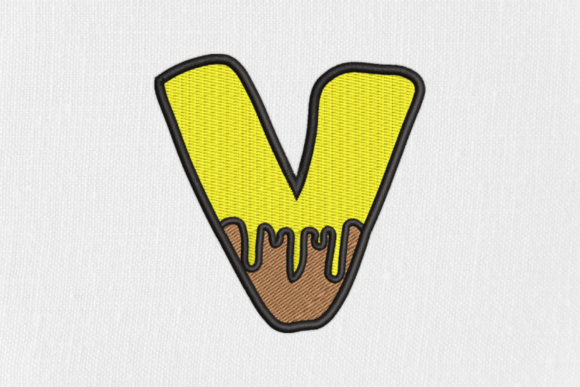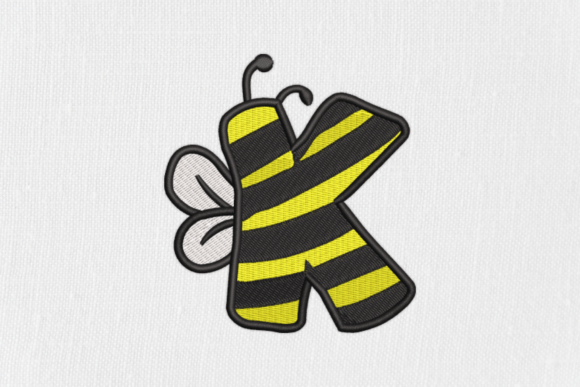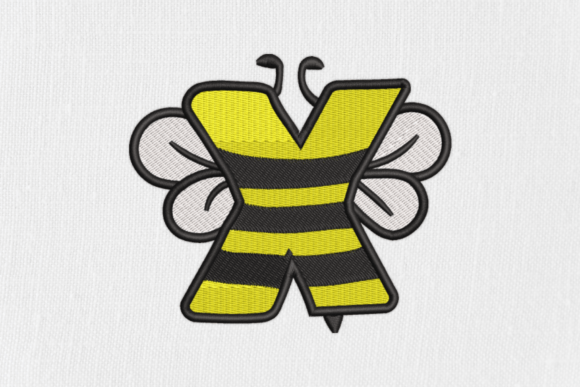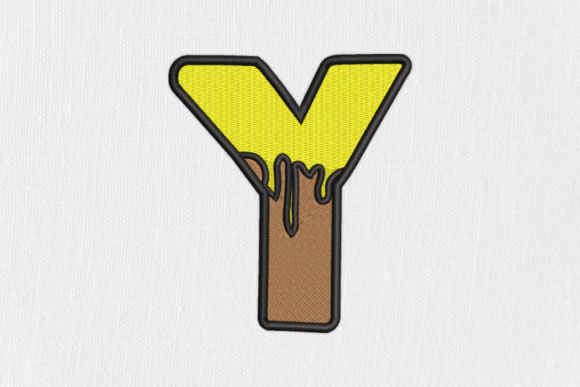
Letter I Bee Monograms: A Designer’s Stitch Test
As an embroidery designer who has tested thousands of files across commercial machines and home setups, I approach every new machine embroidery design with a healthy dose of skepticism. We have all downloaded files that look perfect on screen but turn into thread nests or distorted shapes once the needle hits the fabric. When evaluating the Letter I Bee Monograms, my primary focus was not just on the aesthetic charm of the typography-meets-nature concept, but on how this specific fusion performs as a functional asset for custom apparel, boutique merchandise, and personalized gifts.
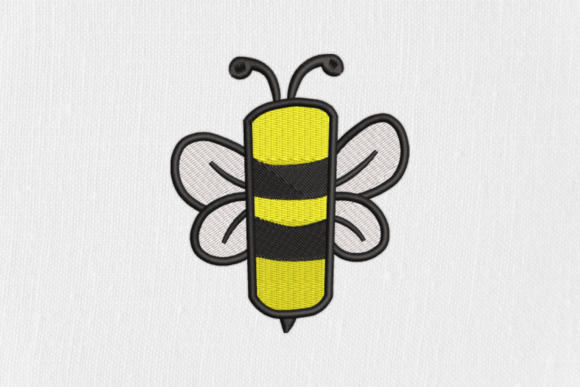
The Letter I Bee Monograms present a unique challenge because they merge structural lettering with organic illustration. The letter "I" is reimagined as a bee, meaning the vertical stability of the monogram relies entirely on the integrity of the insect’s body shape. From a professional standpoint, this is where the design either succeeds as a high-value product or fails as a novelty. After reviewing the stitch pathing and visual hierarchy, here is my practical assessment for makers, Etsy sellers, and apparel decorators considering this file for real-world production.
First Impressions and Visual Hierarchy
My immediate reaction to the Letter I Bee Monograms is that it strikes a difficult balance between whimsy and legibility. In many novelty fonts, the character recognition suffers for the sake of the art, but here, the vertical orientation of the bee naturally mimics the stroke of a capital I. This makes it surprisingly versatile for personalized gift projects where readability is paramount. The mood is undeniably sweet and pastoral, making it an instant candidate for nursery decor, spring collections, and cottage-core aesthetics.
However, as a reviewer, I look beyond the vibe. The transition points between the typographic elements and the anatomical details of the bee are critical. If the wings are too detached from the central column, the design can lose its identity as a letter during stitching. Fortunately, this design appears to maintain a cohesive center of gravity. For a handmade product line, this cohesion suggests that the digitizer understood the importance of keeping the registration tight, which is essential when scaling the design up for sweatshirts or down for baby bibs.
Real-World Application: The Tote Bag Test
To truly evaluate this embroidery file, I mentally placed it in a production scenario: creating a batch of natural canvas tote bags for a local farmers' market vendor. Canvas is unforgiving; it has a distinct weave that can swallow fine details, yet it is sturdy enough to support density. For this project, the Letter I Bee Monograms would serve as the centerpiece initial for custom shopper names.
In this context, the design needs to hold its own against the fabric texture. A satin stitch outline on heavy canvas requires precise tension. If the bee’s stripes or wing veins rely on tiny running stitches, they risk disappearing into the canvas weave. Based on the design's composition, I would recommend using a slightly heavier weight thread or increasing the underlay to prevent the fabric grain from distorting the bee’s silhouette. This level of foresight is what separates a hobbyist result from a professional commercial embroidery outcome. For Etsy sellers, showcasing this design on textured natural fibers in your listing photos will signal quality to buyers who understand fabric behavior.
Navigating Fabric Limitations and Hoop Sizes
While the Letter I Bee Monograms excel on stable substrates like canvas, denim, or twill, caution is required for other applications. Because the letter I is inherently narrow, there is a temptation to shrink the design for small items like baby onesies or sleeve cuffs. This is where you must verify your specific hoop size constraints and minimum stitch lengths.
- Stretchy Fabrics: On knits or performance wear, the vertical nature of this bee design can cause tunneling if the stabilizer is insufficient. The long vertical axis acts as a stress point. Always use a cut-away stabilizer and consider a fusible backing to maintain the bee’s shape after washing.
- Dark Fabrics: High contrast is key. If stitching this on navy or black, ensure the internal details of the bee are defined by color changes rather than tonal shading, which gets lost in low light. Test your thread colors against dark backgrounds before committing to a full production run.
- Curved Surfaces: Placing a vertical monogram on a cap or curved pocket requires careful hooping. The top and bottom of the "I" may distort if the fabric isn't perfectly taut. I advise testing on a scrap cap first to ensure the bee doesn't lean or warp.
For baby embroidery specifically, check the back of the design after stitching. The intersection of the wings and the body may create a dense spot that could irritate sensitive skin. Using a soft mesh cut-away or covering the back with a lightweight fusible interfacing can mitigate this, ensuring the finished product is safe and comfortable.
Commercial Viability for Makers and Sellers
For those running a craft business or selling digital assets, the value of the Letter I Bee Monograms lies in its niche appeal. It is not a generic block letter; it is a conversation piece. This specificity allows for higher perceived value. When creating printable mockups or digital previews, pair this design with complementary botanical elements or honeycomb patterns to reinforce the theme without cluttering the visual field.
If you are an apparel decorator offering customization, this design works exceptionally well as part of a larger set. While we are reviewing the Letter I specifically, its style dictates that it must match the rest of the alphabet perfectly. Before purchasing or using, confirm that the entire set shares the same stitch density and artistic weight. Nothing devalues a custom order faster than an "I" that looks significantly heavier or lighter than the accompanying letters. Consistency builds customer trust and encourages repeat business for full-name personalization.
Essential Pre-Stitch Checklist for Professionals
Before loading this digital embroidery file into your machine for a client order, run through this practical checklist derived from professional review standards:
- Verify Licensing: Confirm whether your purchase includes commercial rights for selling finished products versus just personal use. This is non-negotiable for shop owners.
- Density Check: Open the file in your editing software. Ensure the fill stitch areas aren't overly dense for lightweight fabrics like lawn or voile. Adjust pull compensation if necessary.
- Color Sequence Review: Optimize the thread change sequence. If the bee has multiple colors, ensure the machine isn't jumping unnecessarily between the wings and the body, which wastes time and increases thread breaks.
- Sample Stitch-Out: Never skip this step. Stitch the Letter I Bee Monograms on the exact fabric you intend to sell. Inspect the edges of the satin stitches and the clarity of the facial features.
- Wash Test: For items like tea towels or aprons, wash and dry the sample. Organic shapes can shrink differently than geometric letters. Ensure the bee remains recognizable and proportional post-laundry.
Final Verdict on Design Integrity
The Letter I Bee Monograms represent a successful marriage of form and function, provided the user respects the technical requirements of embroidering illustrative typography. It avoids the common pitfall of being too detailed for thread, maintaining a boldness that translates well from screen to fabric. For the Etsy seller looking to expand their spring catalog, or the hobbyist wanting to elevate their gifting game, this design offers a reliable foundation.
Ultimately, a great embroidery project depends on the synergy between a well-digitized file and a knowledgeable operator. This design gives you the artistic edge; your expertise in stabilization, hooping, and fabric selection will bring it to life. Treat the Letter I Bee Monograms not just as a cute graphic, but as a technical component of your brand’s quality standard. When executed with care, it transforms simple goods into cherished, professional-grade keepsakes that stand out in a crowded handmade marketplace.